

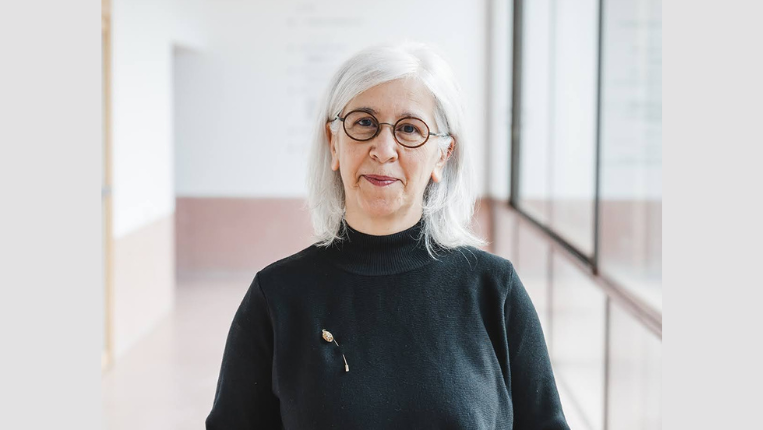
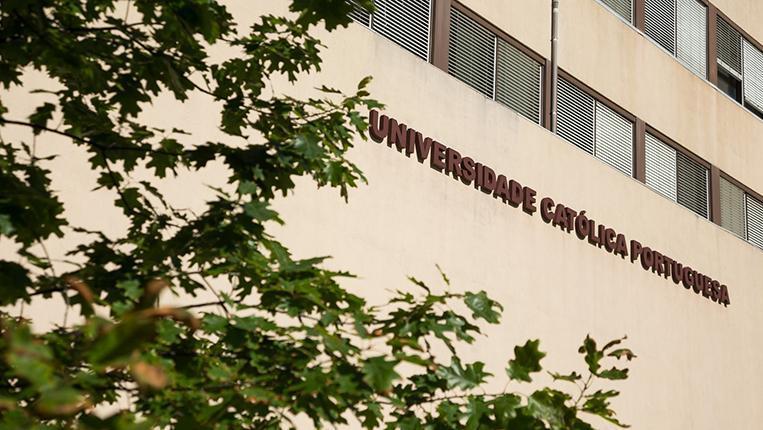
The Erasmus+ Programme continues to serve as a driving force for pedagogical innovation in Portuguese schools, creating inclusive, collaborative and intercultural learning environments. This is the central conclusion of the study “Shared views on teaching practices developed within the Erasmus+ framework”, published in the journal “Educação & Pesquisa”, co-authored by Cristina Palmeirão from the Faculty of Education and Psychology of the Universidade Católica Portuguesa (FEP-UCP).
The research analysed official documents and gathered testimonies from the headteacher and the coordinator of a TEIP (Priority Intervention Educational Territories) school cluster in northern Portugal. These clusters are located in socially vulnerable contexts and receive additional support to tackle underachievement, early school leaving and absenteeism. The aim of the study was to identify the most valued teaching practices and to understand the programme’s impact on pupils’ competences.
Active methodologies and unique learning experiences
The findings show that Erasmus+ promotes interactive pedagogical practices such as multiliteracies and discussion, experiential, integrated and blended learning, gamification and computational thinking. These approaches equip pupils with essential 21st-century competences, including autonomy, critical and creative thinking, aesthetic sensitivity, communication and collaboration, and create personalised, inclusive learning experiences that generate meaningful knowledge.
According to Cristina Palmeirão, “Erasmus+ challenges us to think beyond the classroom, fostering a holistic learning culture and offering unique opportunities for pupils and teachers.”
Real impact on the school and the wider community
The study reveals that the programme not only enriches the curriculum through innovative projects, including robotics, 3D printing, school radio, theatre and digital literacies, but also broadens cultural horizons through international mobility.
Beyond academic learning, Erasmus+ strengthens socio-emotional and intercultural competences, preparing young people for active citizenship and global challenges. As the article highlights, each competence acquired represents a meaningful achievement, as it leads to diverse and valuable learning experiences.
A programme aligned with educational policy
Grounded in the principles of educability, inclusion and curricular flexibility, Erasmus+ responds to UNESCO’s call to “reimagine the futures of education” and aligns with the goals set out in the “Perfil dos Alunos à Saída da Escolaridade Obrigatória”. The study concludes that the programme is an asset to schools’ educational projects and to their communities, reinforcing the quality of learning and the holistic development of pupils.