

The report brings together strategic guidelines to support organisations in adapting to an ageing workforce, a structural shift that requires new ways of thinking about careers, wellbeing and organisational sustainability.
According to the document, promoting longer working lives means creating conditions that enable people to continue working voluntarily, healthily, and with a sense of purpose, even beyond the statutory retirement age.
Organisations need structured strategies to address an ageing workforce
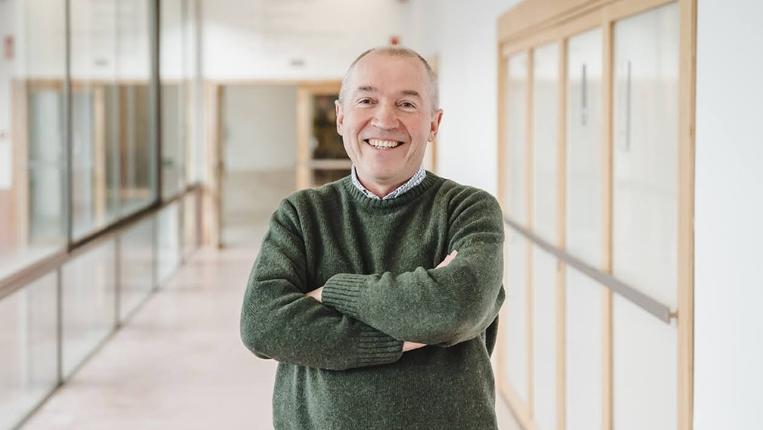
For António Fonseca, the report’s conclusions highlight “a set of clear intervention opportunities that can enhance sustainability, productivity and people’s wellbeing throughout their entire working lives”. He emphasises that promoting longer working lives requires far more than retaining older professionals. It involves “redesigning practices, policies and organisational cultures to ensure longer, healthier and more productive careers”.This perspective aligns with the OPP’s recommendations, which call for the recognition of ageing as a structural reality and the adoption of life‑course‑oriented organisational models. Without practices tailored to the different stages of life, organisations risk losing talent and compromising their sustainability, Professor António Fonseca stresses. The document also reinforces that “older workers are not a homogeneous group”, as they have diverse needs, motivations and circumstances, requiring differentiated policies based on genuine consultation and understanding of their needs.
Knowledge management and combating ageism as strategic priorities
When asked about the recommendations, the FEP‑UCP lecturer highlights as a priority the creation of organisational knowledge‑management systems, noting that this measure directly addresses the most evident structural risk: the loss of know‑how associated with the departure of experienced workers. The OPP document specifically warns of the impact of this loss on organisational productivity and continuity.Regarding his contribution to the report, António Fonseca explains: “My role was to help interpret and translate the content into applicable knowledge from a psychological, life‑course perspective.” Looking ahead, he identifies three essential pillars for intervention in this field in Portugal: “valuing experience, protecting health throughout working life, and ensuring the technological and social inclusion of older workers by combating ageism”.
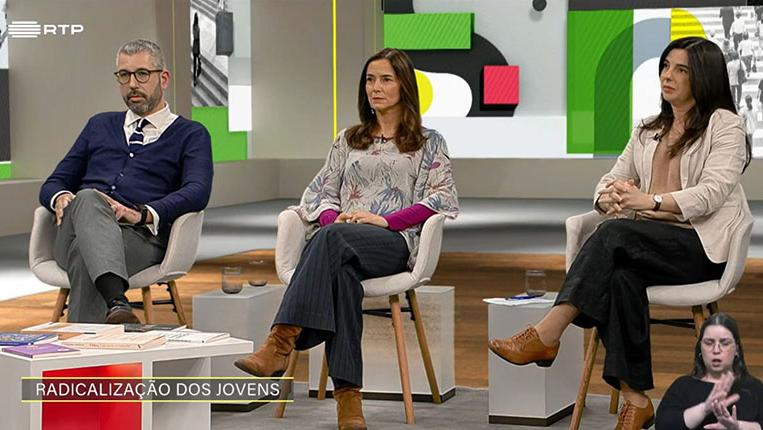
The OPP document, produced with the collaboration of António Fonseca and Inês Carneiro e Sousa, serves as a strategic guide for organisations seeking to prepare for longer careers and intergenerational teams.